
Welcome to Daily Nutrition Insights

Explore the scientific foundations of everyday eating and how nutrition shapes our daily energy, wellbeing, and body composition through balanced food choices.

Fresh daily produce on kitchen counter
Educational content only. No medical services. No promises of outcomes.

Core Ideas of Energy Intake

Every day, our bodies require energy to function. This energy comes from the food we eat through a process called energy intake and metabolism. Understanding how energy works in our daily lives helps us appreciate the role of balanced nutrition.

Energy balance is the relationship between the calories consumed through food and drink, and the calories used through daily activities, movement, and biological functions. This balance varies from person to person based on age, activity level, metabolism, and overall lifestyle patterns.

Rather than restricting food or counting calories obsessively, the focus here is understanding how different foods provide energy and nutrients that support our everyday activities and physiological needs.
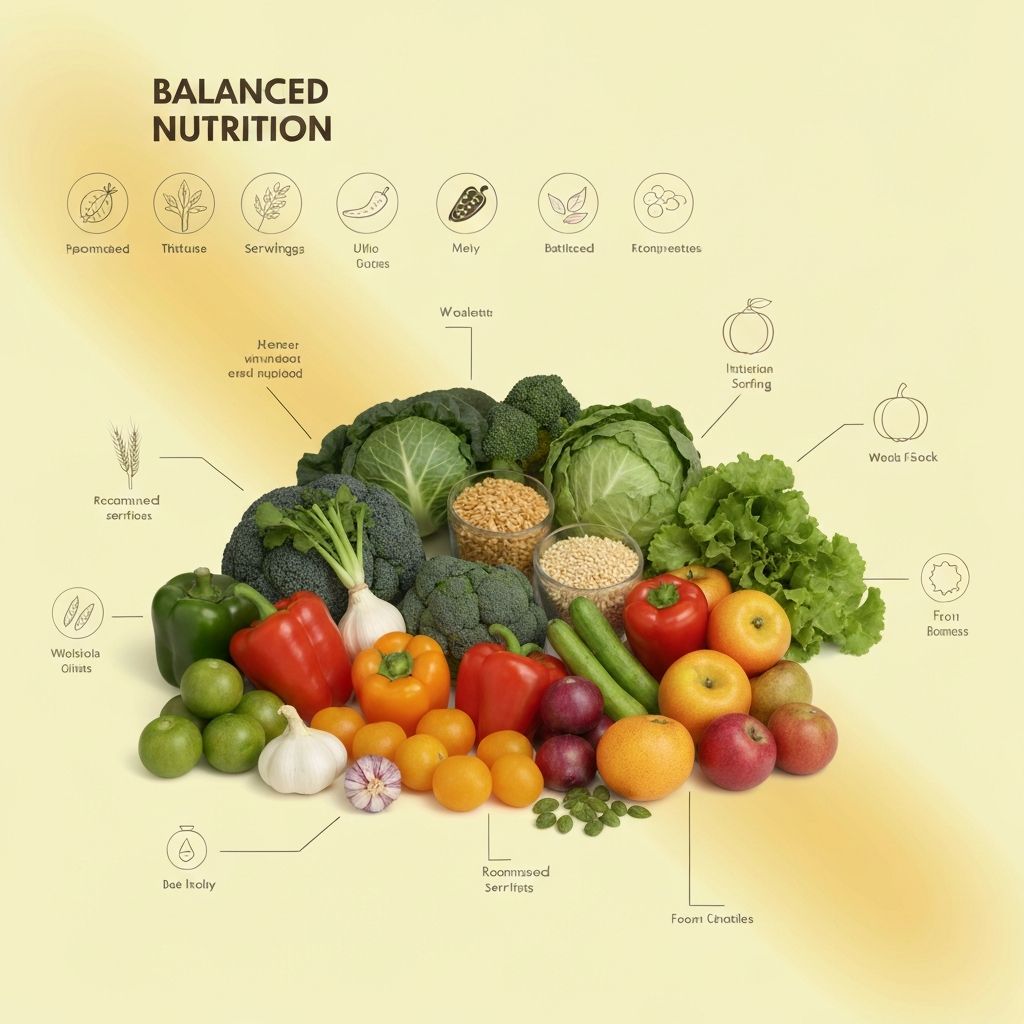

Energy balance and nutrition concept

Everyday Food Categories Explained

Vegetables and Fruits

Vegetables and fruits are fundamental to daily nutrition. They provide essential vitamins, minerals, and dietary fibre that our bodies need to function optimally. These foods are rich in antioxidants and phytonutrients that support various biological processes.

Different coloured vegetables and fruits offer different nutritional benefits. Eating a variety of colours ensures a diverse intake of nutrients throughout the day.

Fresh colorful vegetables

Grains, Pulses and Proteins

Whole grains, legumes, and protein-rich foods provide sustained energy and amino acids necessary for muscle maintenance and repair. These foods contain fibre, B vitamins, and minerals that support metabolic processes.

Including varied sources of protein—both plant-based and animal-based—ensures a comprehensive nutrient profile for daily nutrition needs.

Whole grains and legumes

Role of Regular Movement

Physical activity is an integral part of daily life and supports both energy expenditure and overall metabolic health. Regular movement—whether through walking, recreational activities, or structured exercise—helps maintain cardiovascular fitness, muscle strength, and mental wellbeing.

Movement affects how our bodies process energy and utilize nutrients. An active daily routine, combined with balanced nutrition, supports long-term health and fitness.

People walking in park

Sleep, Water and Mood Factors

Beyond food intake, several lifestyle factors significantly influence how our bodies process nutrition and maintain energy balance:

  • Sleep: Quality sleep supports metabolic processes, hormone regulation, and energy management. Sleep deprivation can affect appetite signals and food choices.
  • Hydration: Water is essential for every bodily function. Proper hydration supports digestion, nutrient transport, temperature regulation, and energy levels.
  • Psychological wellbeing: Mood, stress levels, and emotional health influence eating patterns and metabolism. A balanced approach to food supports both physical and mental wellbeing.
Wellness and hydration concept

Explore Further

Learn more about the science behind daily nutrition through our detailed articles:

Daily Energy Balance

Understand how your body processes energy throughout the day and the role of different nutrients in maintaining steady energy levels.

Read More

Food Groups Explained

Discover the nutritional value of different food categories and how they contribute to a well-rounded daily diet.

Read More

Lifestyle and Metabolism

Explore how sleep, activity, hydration, and stress management support your body's natural metabolic processes.

Read More

Frequently Asked Questions

What does energy balance mean?
Energy balance refers to the relationship between calories consumed through food and calories expended through daily activities and metabolic processes. It varies based on individual factors like age, activity level, and metabolism.
Why is variety in food important?
Different foods provide different nutrients. Eating a variety of vegetables, fruits, grains, and proteins ensures your body receives the full spectrum of vitamins, minerals, and other essential compounds needed for health.
How does hydration affect nutrition?
Water is essential for digestion, nutrient absorption, transport of nutrients to cells, and elimination of waste. Proper hydration supports all metabolic processes and energy levels throughout the day.
What role does sleep play in metabolism?
Sleep supports hormone regulation, including hormones that influence appetite and energy balance. Quality sleep helps maintain consistent energy levels and supports proper metabolic function.
How much activity is recommended daily?
Physical activity should be part of everyday life. General recommendations suggest regular movement throughout the day, which can include walking, recreational activities, or structured exercise tailored to individual fitness levels.

Continue Learning About Daily Nutrition

Our resource provides scientific explanations about food, energy, and everyday nutrition. Explore topics at your own pace to deepen your understanding of how daily nutrition supports your wellbeing.

Explore All Articles